

News and updates about Ampla
Red vs. Blue Antifreeze: What Are the Differences and How Have Coolant Formulations Evolved?
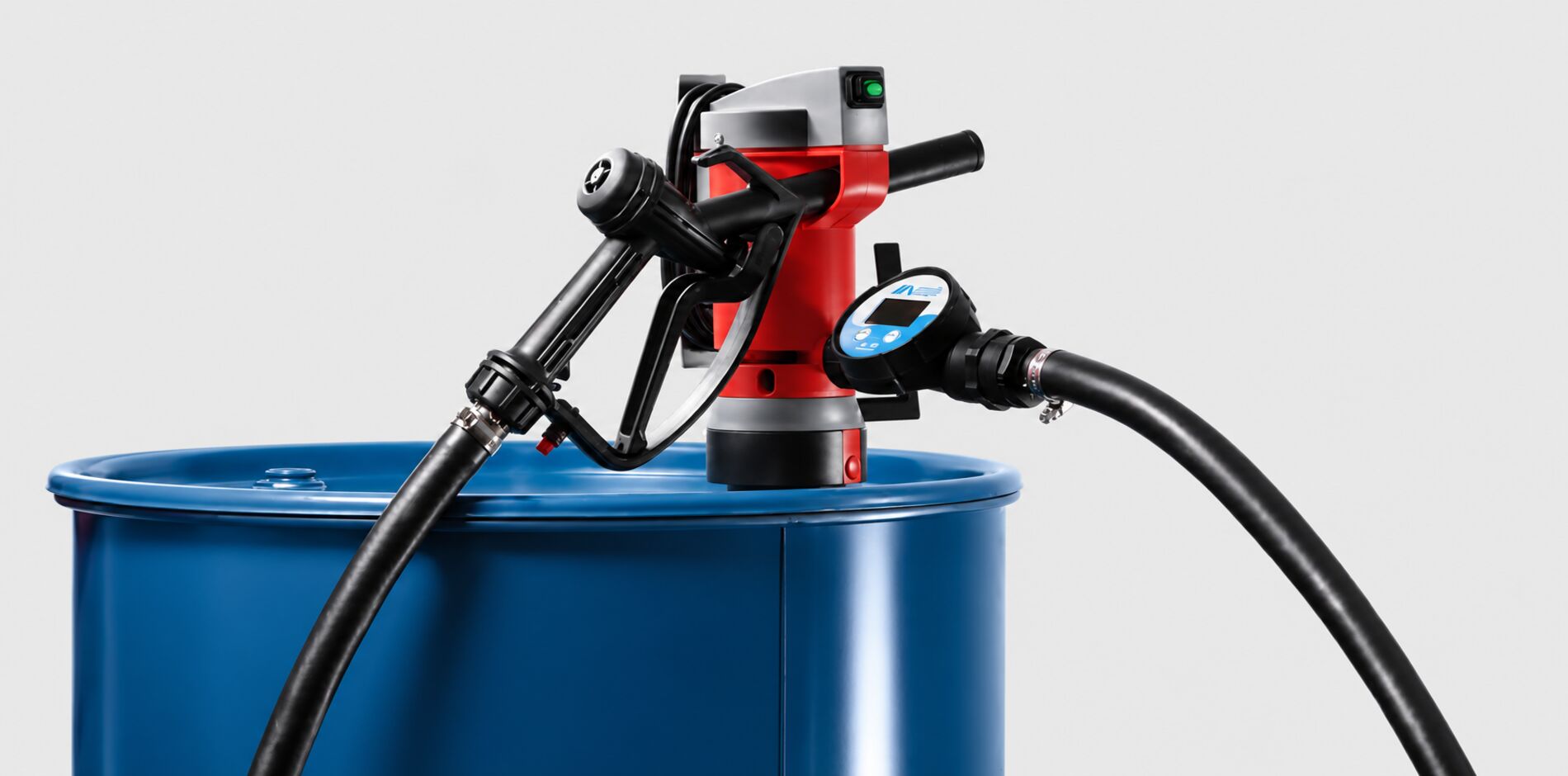
Antifreeze, also known as engine coolant, is essential for protecting the engine against freezing, overheating and corrosion of the cooling system components. Over time, coolant formulations have evolved to meet the requirements of modern engines and provide suitable protection for the different materials used in cooling systems.
But what are the differences between traditional blue antifreeze and newer red formulations? And what solutions are available for transferring coolant in professional environments?
Blue Antifreeze: The Traditional Formulation
Traditional coolants, often blue in colour, generally use inorganic corrosion inhibitors, such as those found in IAT (Inorganic Additive Technology) formulations, to protect the metal surfaces of the cooling system.
These formulations have been used for many years to protect engines. Compared with some more recent technologies, they may require more frequent replacement, depending on the maintenance intervals specified by the vehicle manufacturer.
Red Antifreeze: Modern Formulations for Next-Generation Engines
As engine technology has evolved, new coolant technologies have become increasingly widespread, including formulations based on organic additives known as OAT (Organic Acid Technology). These formulations, often red or pink in colour, are also designed to meet the requirements of next-generation engines, providing corrosion protection engineered to last longer.
Compared with some traditional formulations, OAT technology can allow longer replacement intervals and contribute to more efficient maintenance management. However, actual performance and service life depend on the specific formulation and the manufacturer's specifications.
It is important to remember that colour does not universally identify the technology used: not all red antifreeze products are OAT-based, and not all blue products belong to the same chemical family. To select the correct coolant, it is therefore essential to check the specifications required by the vehicle manufacturer.
Why Has Antifreeze Technology Evolved?
The evolution of coolant formulations is mainly driven by three requirements:
- Material protection: modern cooling systems use a variety of materials, including aluminium alloys, which require suitable coolant formulations.
- Longer-lasting protection: some additive technologies can provide corrosion protection for longer periods, depending on the product's characteristics.
- More efficient maintenance: longer replacement intervals, where specified by the vehicle manufacturer, can reduce the frequency of maintenance operations.
Can Red and Blue Antifreeze Be Mixed?
No, mixing red and blue antifreeze is not recommended unless product compatibility has been verified. They may contain different chemical compositions and additive packages that are not always compatible. Mixing incompatible products can compromise coolant performance and the protection of the cooling system.
Before topping up the system, it is therefore important to identify the coolant already in use and select a product that meets the specifications required by the vehicle manufacturer. If the type of coolant currently in the system is unknown, it is best to identify it before proceeding.
Ampla Pumps for Antifreeze Transfer
In workshops and professional environments, transferring coolant from drums or tanks into smaller containers requires equipment suitable for the fluid and the intended operating conditions.
Ampla offers several pumps for antifreeze transfer, including an electric solution and a manual option, to meet different operational requirements.
AP 40L: Electric Pump for Antifreeze Transfer
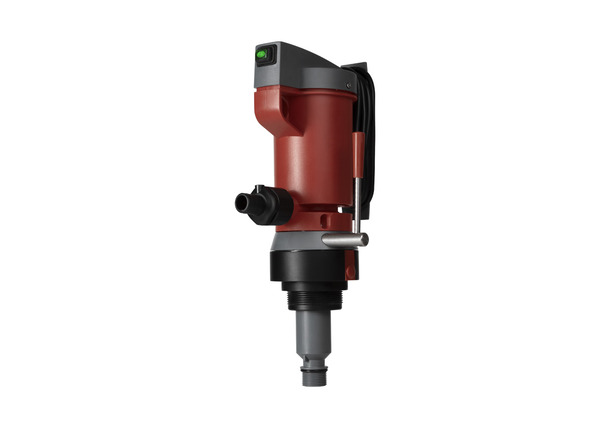
The Ampla AP 40L electric pump is designed to transfer various fluids, including water, antifreeze, diesel fuel and oil, subject to compatibility with the fluid being handled. It features an anti-siphon system that helps prevent unwanted fluid flow when the pump is not operating and is available in 230 V and 24 V versions.
It is a suitable solution for professionals looking for an electric pump for fluid transfer applications.
AP 50: Manual Piston Pump for Antifreeze Transfer
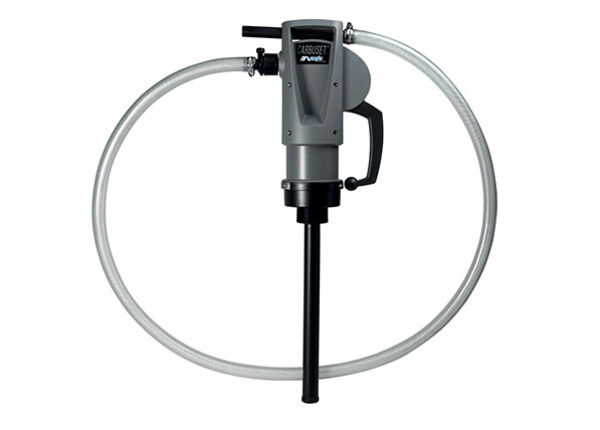
For users who prefer a solution that does not require an electrical power supply, Ampla offers the AP 50 manual piston pump, available in a version specifically designed for transferring antifreeze, detergents, windscreen washer fluid and cutting oil. Its manual operation allows fluids to be transferred without an electric motor. Depending on the configuration selected, the range includes solutions for drawing fluids from drums and larger-capacity containers.
Discover Ampla Pumps for Coolant Transfer
Whether an electric or manual system is required, choosing the right pump helps organise fluid transfer operations according to the needs of each application.
Discover Ampla's solutions for fluid transfer:
- AP 40L electric pump
- AP 50 manual piston pump for antifreeze
Before use, always check that the pump materials are compatible with the specific coolant formulation and follow the manufacturer's instructions.
Related products:
Tag
- electric pumps
- electric pumps italy
- manual pumps
- manual pumps italy
- air blow guns italy
- exhibitions
- compressed air
- pumps
- autopromotec
- bologna
- automotive aftermarket
- italy
- anniversary
- 65 years
- ampla
- history
- energy saving
- energy consumption
- noise reduction
- safety at work
- blow guns with pressure regulator italy
- adblue
- iso 22241
- scr system
- guides
- professional products for blowing italy
- nozzles italy
- manufacturing industry
- agricultural sector
- freight transport
- marine industry
- construction


