

News and updates about Ampla
Flame-Retardant Compressed Air Hoses: Why They Matter in Industrial Environments
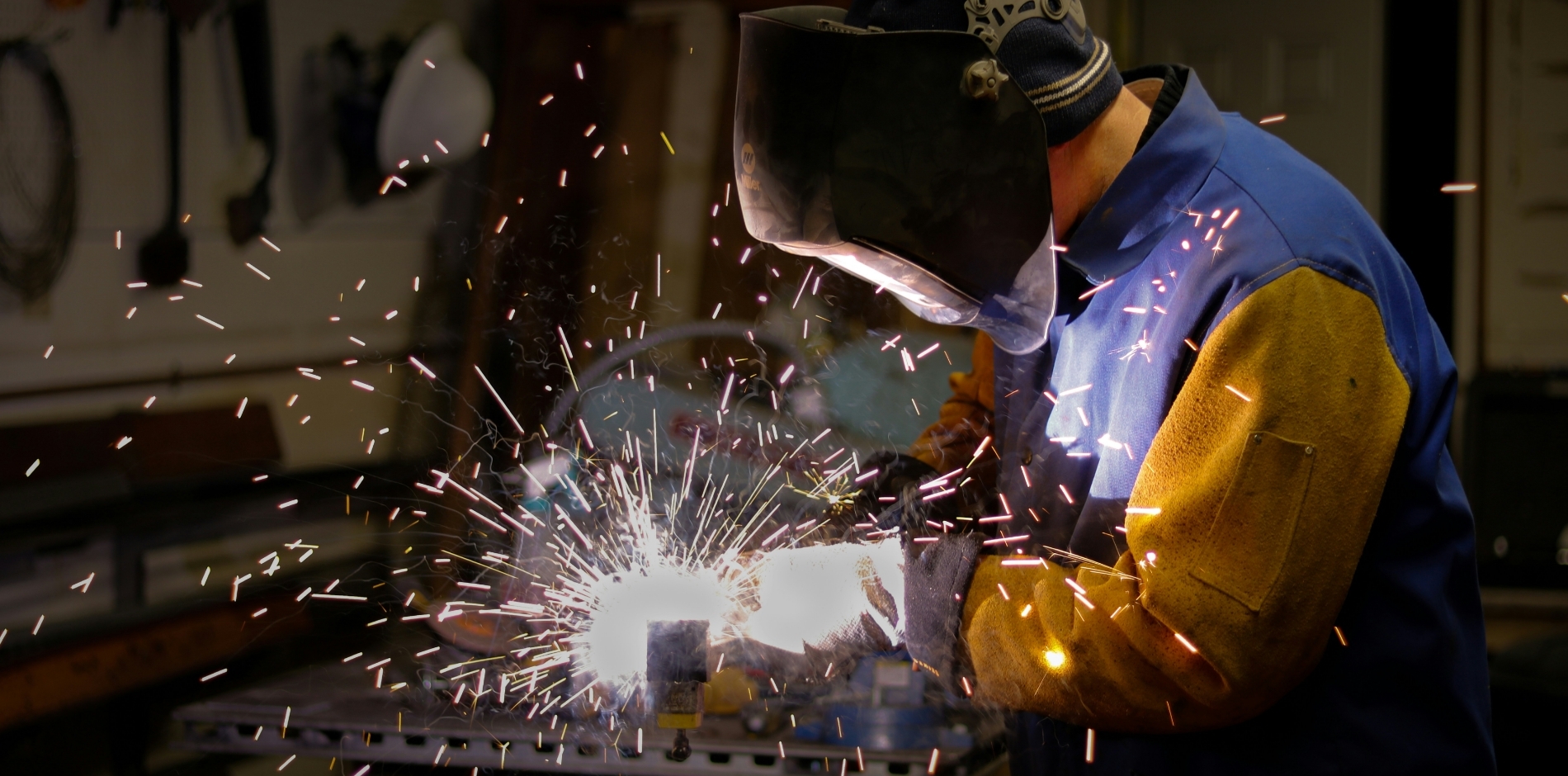
In industrial pneumatic systems, compressed air hose selection is often based on factors such as operating pressure, length, and flexibility. However, in many production environments, there is another critical aspect to consider: exposure to sparks, hot metal particles, and heat sources.
Processes such as welding, grinding, deburring, and metalworking generate incandescent particles on a daily basis. When these particles come into contact with pneumatic system components, unsuitable materials can deteriorate prematurely, leading to air leaks, increased maintenance requirements, and potential safety concerns.
When Should a Flame-Retardant Hose Be Used?
Flame-retardant hoses are specifically designed for applications where reducing the risk of flame propagation is essential in the event of accidental exposure to heat or sparks.
For this reason, they are commonly used in:
- Welding stations;
- Mechanical workshops;
- Metal fabrication facilities;
- Grinding and finishing operations;
- Deburring applications;
- Industrial environments where sparks or hot particles are present.
In these conditions, selecting a hose manufactured from flame-retardant materials helps improve system reliability and contributes to a safer working environment.
What Does UL 94 V-0 Mean?
When discussing flame-retardant materials, one of the most important technical references is the UL 94 standard, which is internationally recognized for evaluating the flammability characteristics of plastic materials.
Among the various classifications defined by the standard, UL 94 V-0 represents one of the highest levels of flame-retardant performance for plastics used in industrial applications.
During the vertical burn test, a material classified as UL 94 V-0 must meet specific requirements:
- Combustion must stop within 10 seconds after the test flame is removed;
- The material must not produce flaming drips capable of igniting material placed below the sample;
- Flame propagation must remain extremely limited.
These characteristics make UL 94 V-0 materials particularly suitable for industrial applications exposed to sparks and heat sources, where flame resistance is an important factor in component selection.
Why Material Selection Matters
In a pneumatic system, the hose serves as the direct connection between the compressed air network and the tool used by the operator. Its reliability has a direct impact on overall system performance.
In addition to flame resistance, a high-quality compressed air hose should provide:
- Excellent flexibility during operation;
- High resistance to abrasion and wear;
- Long-term dimensional stability;
- Ease of handling;
- Reliable pneumatic connections.
The combination of these features helps minimize downtime and extend the service life of the entire pneumatic system.
Safety and Operational Reliability Start with the Details
When discussing industrial efficiency, attention is often focused on machinery, compressors, and pneumatic tools. However, seemingly simple components such as compressed air hoses also play a crucial role in ensuring operational continuity and workplace safety.
Understanding classifications such as UL 94 V-0 and recognizing the differences between available materials allows companies and maintenance professionals to make more informed decisions, especially in environments where sparks, heat, and demanding operating conditions are part of everyday operations.
Investing in the proper selection of pneumatic components not only improves system reliability but also contributes to operator safety and reduced maintenance costs over the long term.
Related products:

Tag
- air blow guns italy
- exhibitions
- compressed air
- pumps
- autopromotec
- bologna
- automotive aftermarket
- italy
- anniversary
- 65 years
- ampla
- history
- energy saving
- energy consumption
- noise reduction
- safety at work
- blow guns with pressure regulator italy
- adblue
- iso 22241
- scr system
- manual pumps italy
- electric pumps italy
- guides
- professional products for blowing italy
- nozzles italy
- manufacturing industry
- agricultural sector
- freight transport
- electric pumps
- manual pumps
- marine industry
- construction


