

News and updates about Ampla
Diesel HVO
The energy transition is rapidly transforming the fuel industry. Among the most promising solutions for reducing emissions without radically changing existing infrastructure, biodiesel is emerging as a valid alternative to traditional diesel fuel. For companies, workshops, fleets, and industrial operators, this means adopting a more sustainable fuel while maintaining high operational efficiency standards.
Biodiesel: FAME and HVO, clarifying the differences
When discussing biodiesel, it is important to distinguish between the two main categories currently available on the market: FAME biofuels (Fatty Acid Methyl Esters) and paraffinic fuels, the most well-known of which is HVO.
HVO belongs to the family of paraffinic fuels regulated by the European standard EN 15940, which defines the characteristics of synthetic diesel fuels obtained through synthesis or hydrotreatment. To be classified as such, a fuel must be virtually sulfur-free and contain a minimal quantity of aromatic compounds, below 1%. This high level of purity ensures cleaner, more efficient, and more stable combustion compared to traditional biodiesel fuels.
The term XTL generally identifies all synthetic liquid fuels produced from different raw materials, such as biomass (BTL), natural gas (GTL), or coal (CTL). HVO, on the other hand, is a specific type of XTL fuel obtained through the hydrogenation of vegetable oils, animal fats, or waste-derived feedstocks.
During this process, the oxygen naturally present in oils is removed, transforming the final product into a high-performance hydrocarbon.
What is HVO biodiesel?
HVO, an acronym for Hydrotreated Vegetable Oil, is a next-generation renewable diesel fuel produced through a hydrogenation process using biologically derived raw materials. From a chemical standpoint, it is very similar to conventional diesel fuel, but it is cleaner and higher performing. Free from sulfur and aromatic compounds, it features a very high cetane number, ensuring more efficient, cleaner, and quieter combustion.
Also known as "renewable diesel", HVO can reduce CO₂ emissions by up to 90% throughout its entire life cycle. In addition, it helps keep the engine cleaner by reducing particulate matter and deposit formation, while improving the efficiency of the fuel system. This makes it a practical solution for transport decarbonization without requiring significant modifications to existing infrastructure.
HVO: similar to traditional diesel, but not identical
From a chemical perspective, HVO is very similar to conventional diesel fuel and can be used in most modern diesel engines. However, not all vehicles are automatically compatible, especially older models or those not specifically approved by the manufacturer.
One of the main differences concerns composition: HVO is free from aromatic compounds, which are present in traditional diesel fuel. Over time, these compounds help maintain the elasticity of rubber seals. In older engines, a sudden switch to HVO could therefore cause slight seal shrinkage, with a potential risk of minor leaks in pipes or fuel system components.
Another aspect to consider is its lower density compared to fossil diesel fuel. In vehicles equipped with older control units and management systems, this difference may be detected by sensors, generating warnings or, in some cases, triggering the engine warning light.
How to verify compatibility
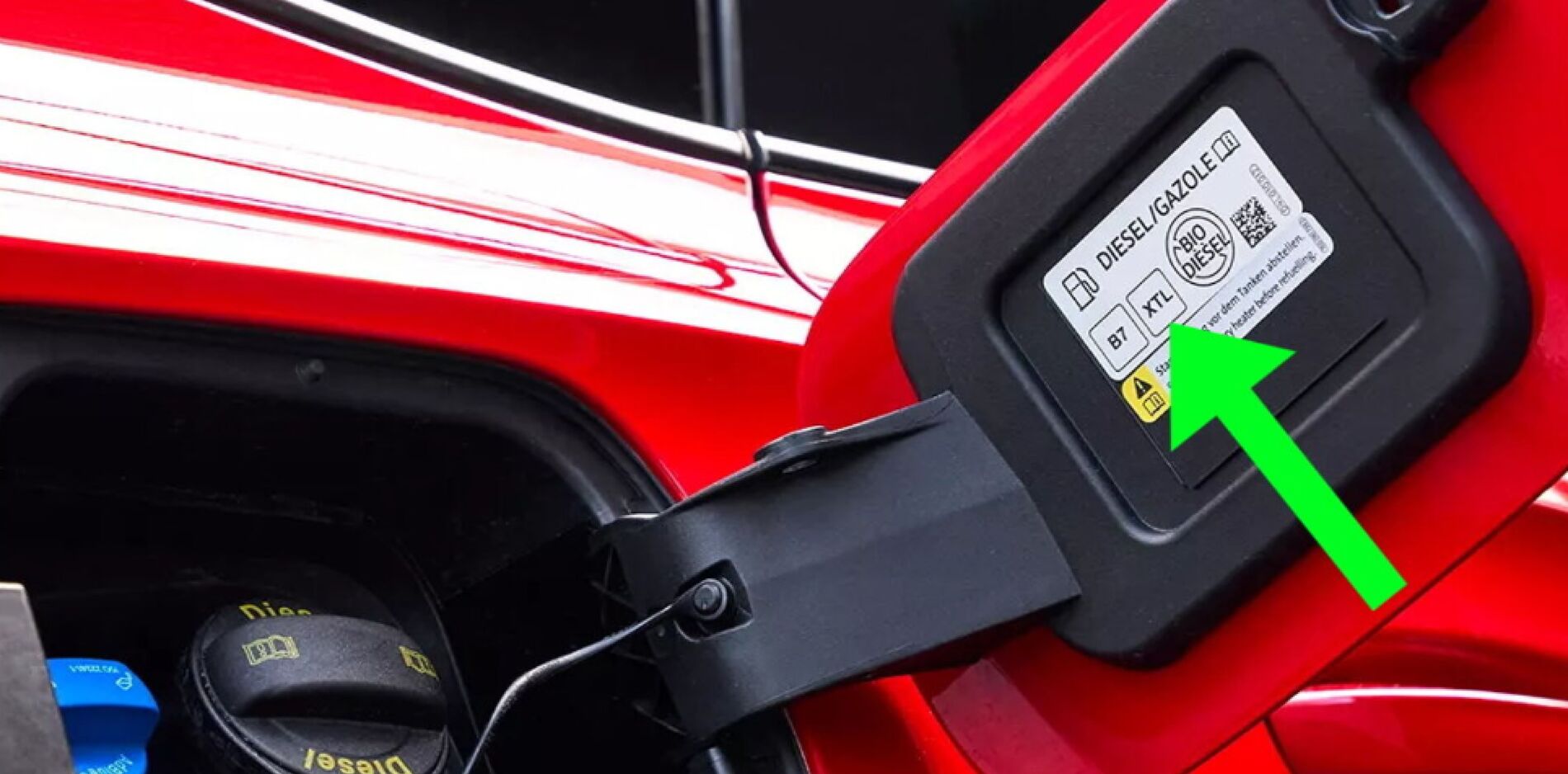
To ensure that a vehicle is suitable for HVO use, it is important to check for the XTL marking on the fuel filler cap, next to the traditional diesel B7 indication. The XTL label identifies paraffinic fuels compliant with the European standard EN 15940.
If this indication is present, the manufacturer authorizes the use of pure HVO. Otherwise, it is advisable to consult the owner's manual or contact an authorized workshop, as many manufacturers have subsequently extended compatibility to vehicles already in circulation.
The role of Ampla
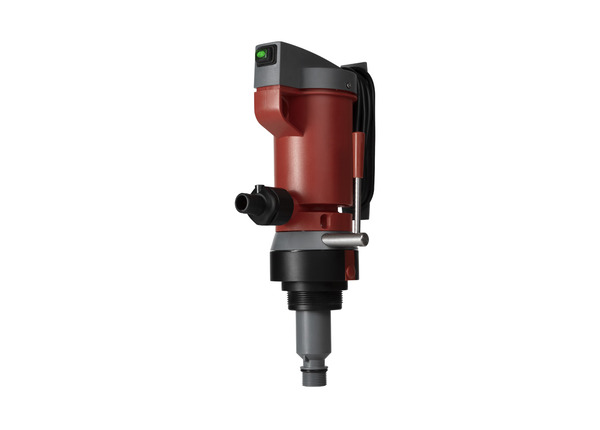
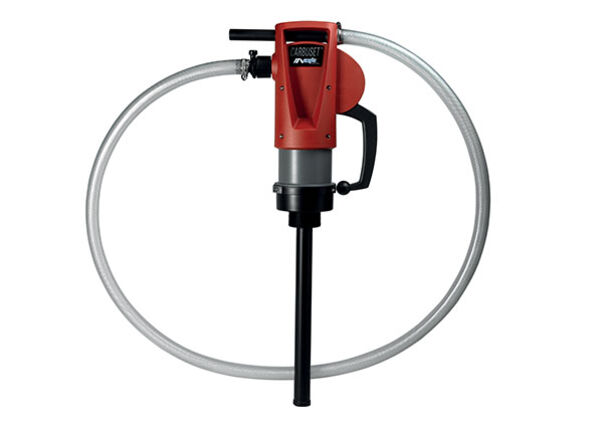
In a context where innovative fuels such as HVO are reshaping the mobility and industrial sectors, having reliable transfer systems is essential. Ampla supports companies, workshops, and professional operators with solutions designed to ensure safe, efficient, and compatible transfer of next-generation biofuels. Thanks to a complete range of pumps and accessories specifically designed for fuel transfer from drums, Ampla guarantees high performance, operational continuity, and maximum reliability even in the most demanding applications. Choosing Ampla means investing in technologies ready to support the energy transition, with solutions that combine sustainability, safety, and efficiency.
Related products:


Tag
- air blow guns italy
- exhibitions
- compressed air
- pumps
- autopromotec
- bologna
- automotive aftermarket
- italy
- anniversary
- 65 years
- ampla
- history
- energy saving
- energy consumption
- noise reduction
- safety at work
- blow guns with pressure regulator italy
- adblue
- iso 22241
- scr system
- manual pumps italy
- electric pumps italy
- guides
- professional products for blowing italy
- nozzles italy
- manufacturing industry
- agricultural sector
- freight transport
- electric pumps
- manual pumps
- marine industry
- construction


